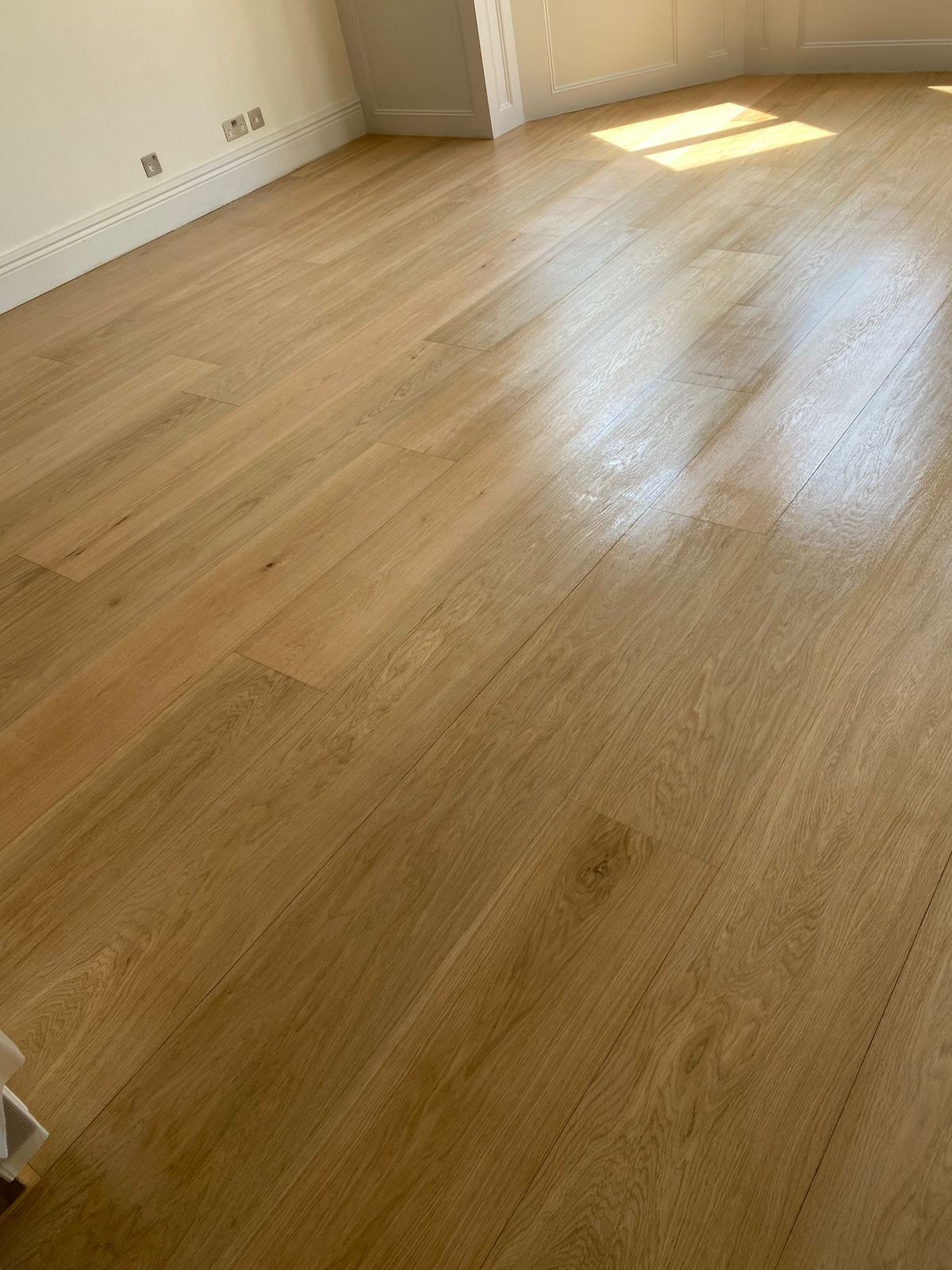
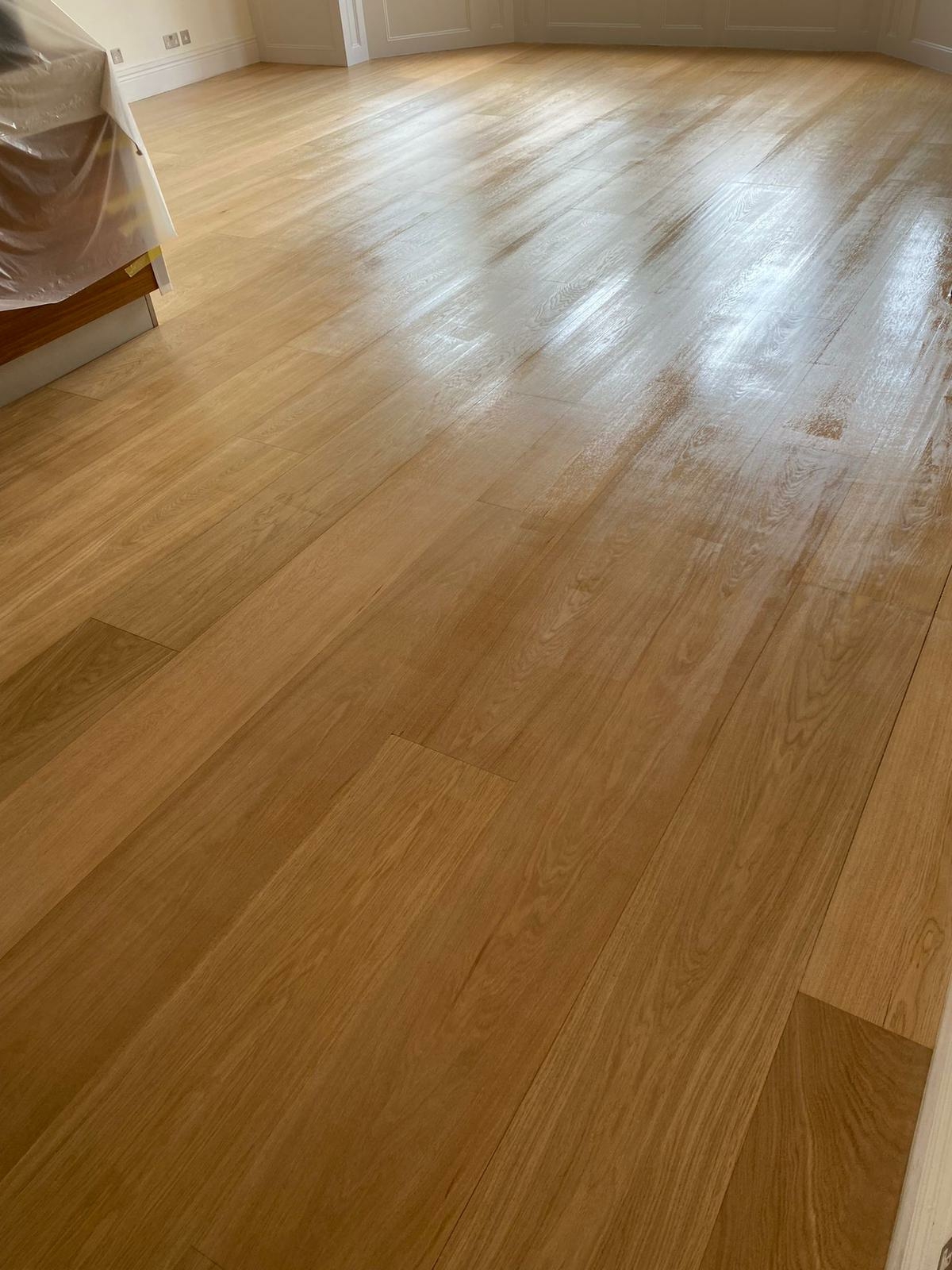
This Chelsea period property required comprehensive floor sanding and restoration across three reception rooms and a hallway. The engineered oak boards had accumulated years of wear, with uneven patina and damaged areas that needed careful attention to bring the floors back to their original character.
Work carried out
- Full floor sanding using industry-standard equipment
- Surface preparation and inspection for structural issues
- Dust containment throughout the property
- Hand sanding of edges and corners
- Gap filling where necessary
- Application of finish coat
- Final inspection and quality assurance
About the project
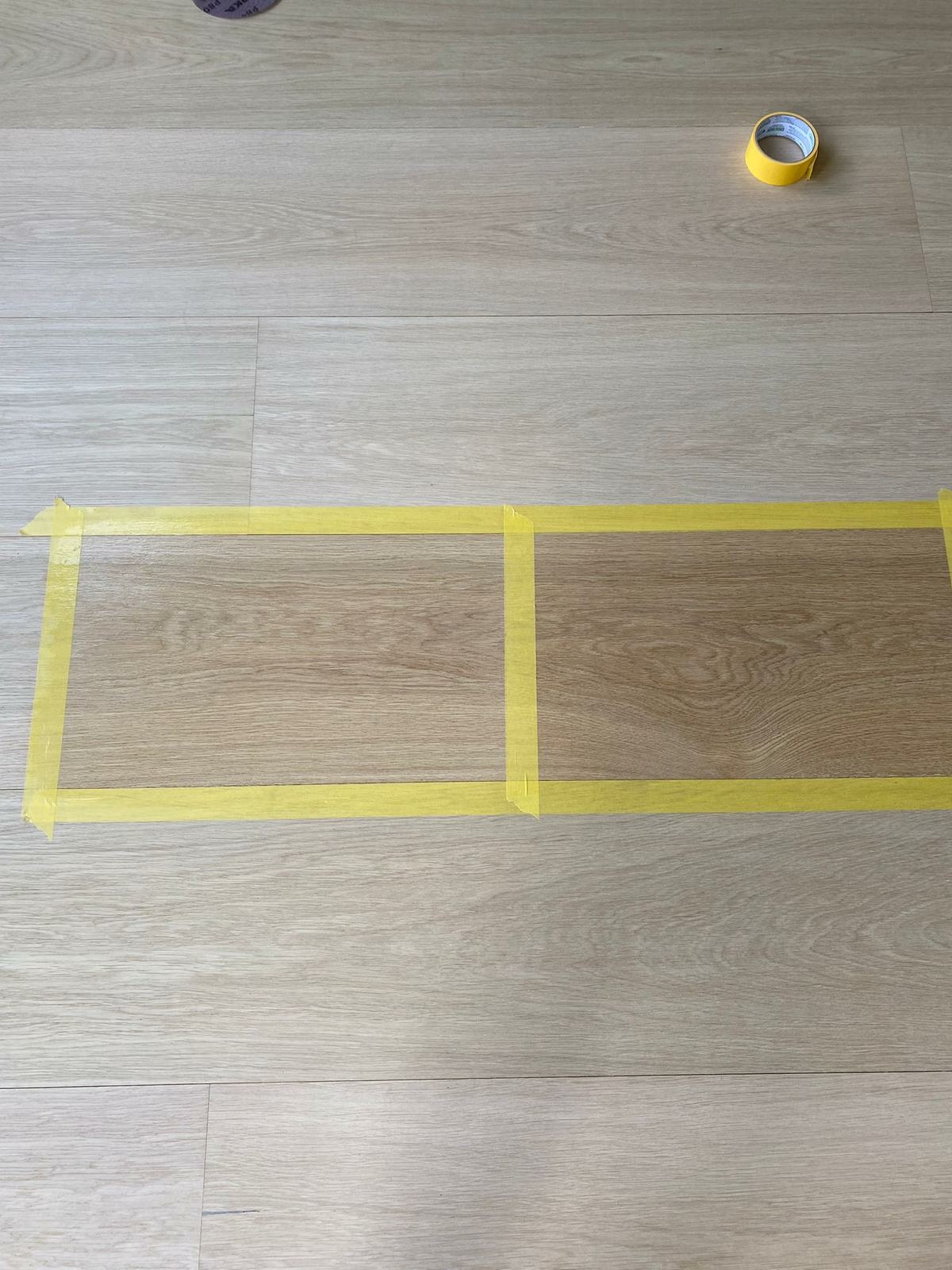
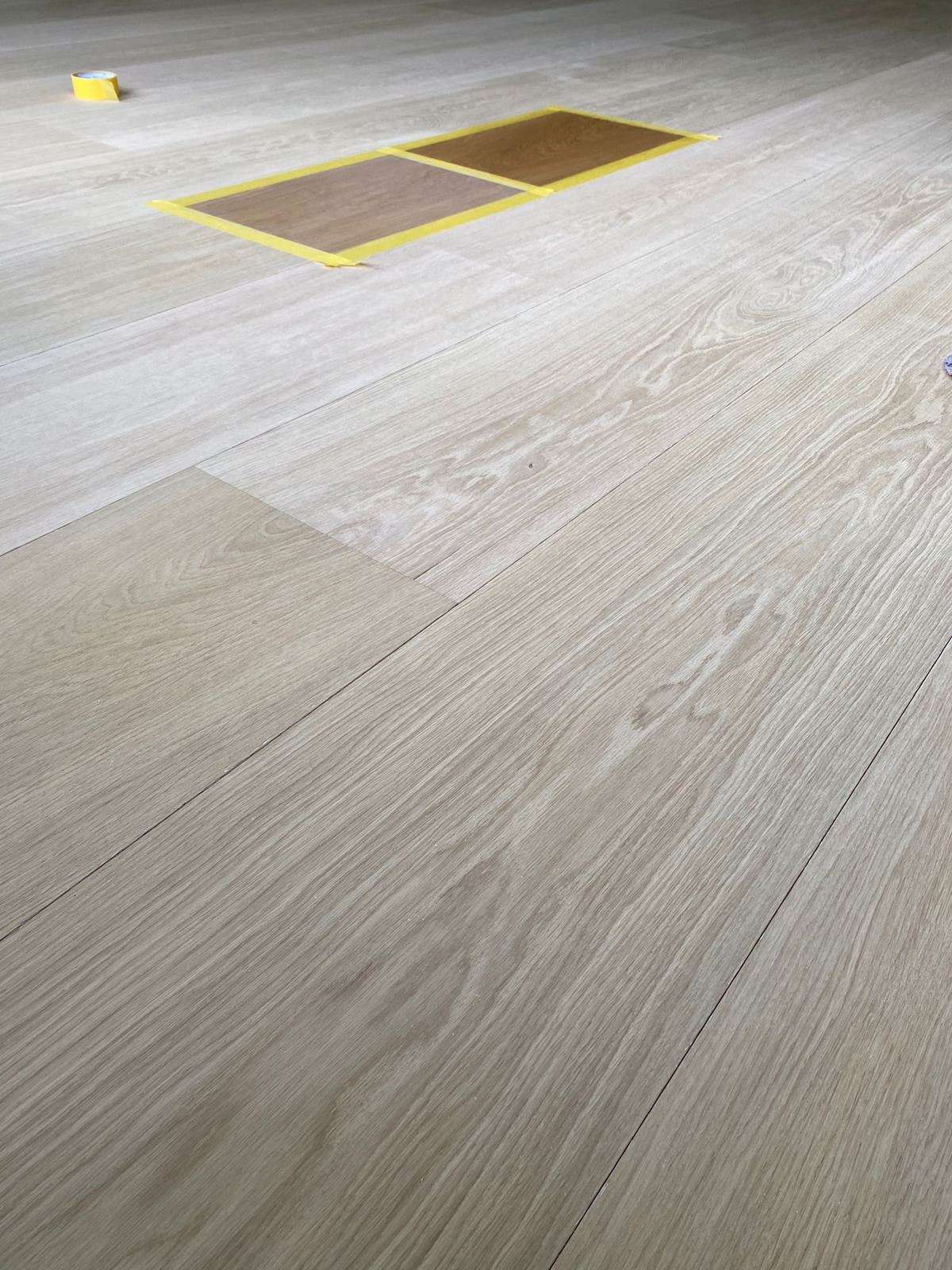
The property is a Victorian townhouse with original features throughout. The engineered oak flooring, installed sometime in the 1990s, had worn unevenly across the main living areas due to foot traffic patterns and inadequate maintenance over the years. Several boards showed signs of minor damage and staining that had set into the surface. The client wanted to preserve the patina and character of the floors rather than achieve a showroom finish, which required a measured approach to sanding depth.
We began with a full inspection to identify any loose boards or fixings that needed attention before sanding commenced. The main challenge lay in working around the property's layout, numerous doorways, and fitted joinery. We used dust containment barriers throughout and operated a HEPA-filtered extraction system to minimise impact on the rest of the home. The sanding itself took four days, working progressively through the rooms with different grit stages to achieve an even surface without over-cutting the engineered veneer. Once complete, we applied two coats of matte polyurethane finish, allowing proper drying time between applications.
About our Chelsea, SW7 service
Chelsea attracts a mix of property ages, from period Victorian and Edwardian townhouses to converted warehouses and more recent developments. We regularly work with period properties where original features are valued and authentic restoration is important. These homes often contain engineered oak, solid hardwoods, and in some cases original parquet, each requiring slightly different approaches. The density of properties in the area and shared walls means we place particular emphasis on dust control and noise management, especially in listed buildings or where neighbours are in close proximity.
The typical flooring we encounter in Chelsea reflects the property stock. Victorian properties commonly have engineered boards laid over older solid floors, while Edwardian conversions frequently feature wider plank materials. Newer builds in the area tend toward engineered oak or walnut, sometimes with underfloor heating considerations. We're accustomed to the practical constraints of working in central London properties, including restricted access, limited storage space for equipment, and coordinating with other tradespeople on site. Our crews are experienced in maintaining these properties to the standards expected in the area.
Frequently asked questions
How much does floor sanding cost per square metre in Chelsea?
Sanding typically costs between £25 and £45 per square metre depending on the floor condition, type of material, and existing finish. More heavily damaged floors or those requiring additional preparation work may be at the higher end. We provide a fixed quote after site inspection, not estimates based on area alone, as the condition of the substrate makes a real difference to labour time.
How long does sanding take?
A typical room of 30 square metres takes between one and two days depending on the floor's existing condition and complexity. Work involving substantial staining, deep scratching, or multiple room layouts takes longer. For the Chelsea project described above, sanding across the three interconnected reception rooms and hallway took four working days. We plan the schedule during our initial visit so you know what to expect.
Is the sanding process dust-free?
Modern sanding equipment with HEPA filtration removes most dust during the process itself. We use dust containment barriers between rooms and maintain extraction throughout. Some fine dust inevitably settles, so the property does require thorough cleaning once work is complete. We discuss these practical matters when planning the job and can recommend professional cleaning services if needed.