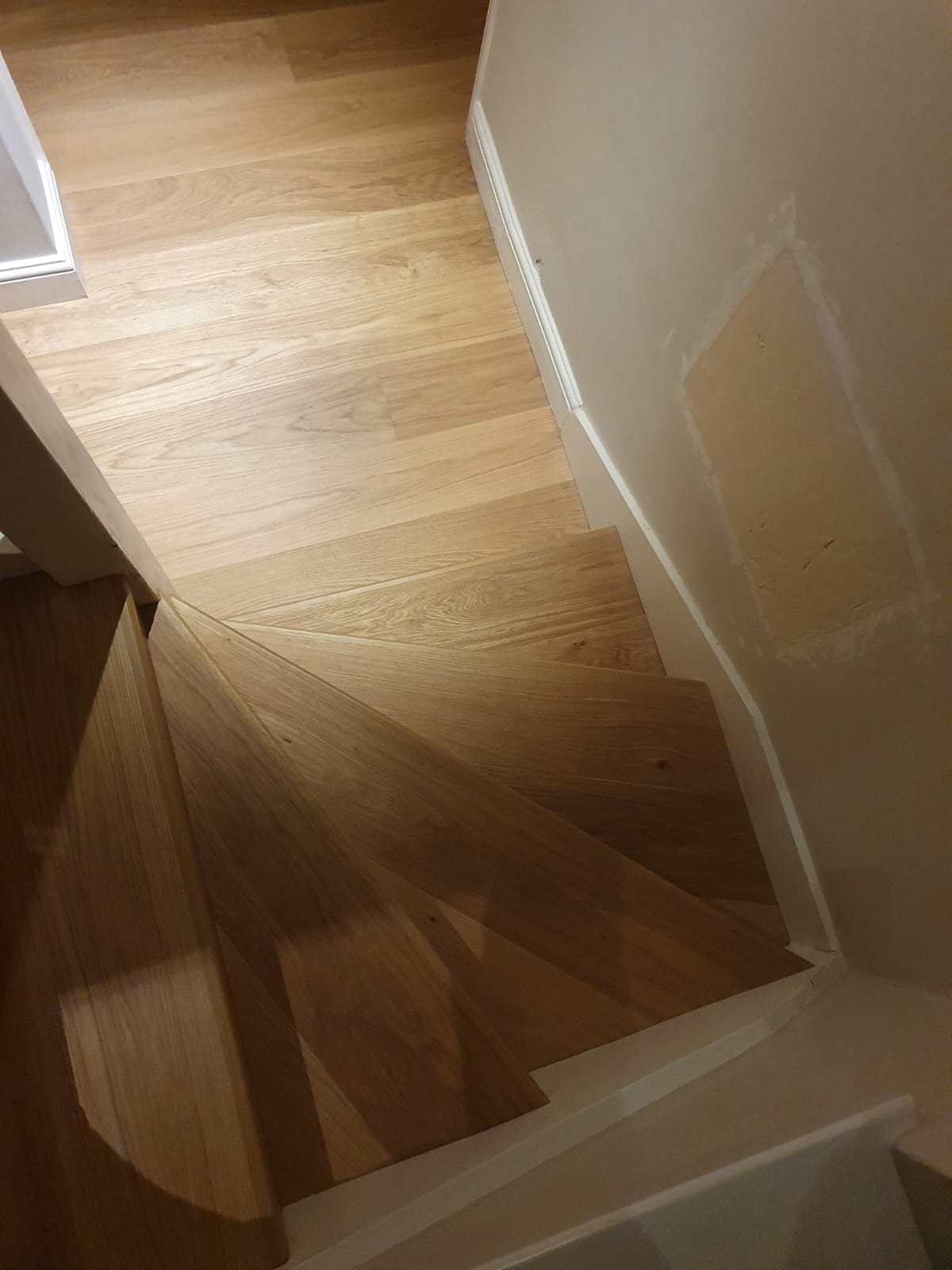
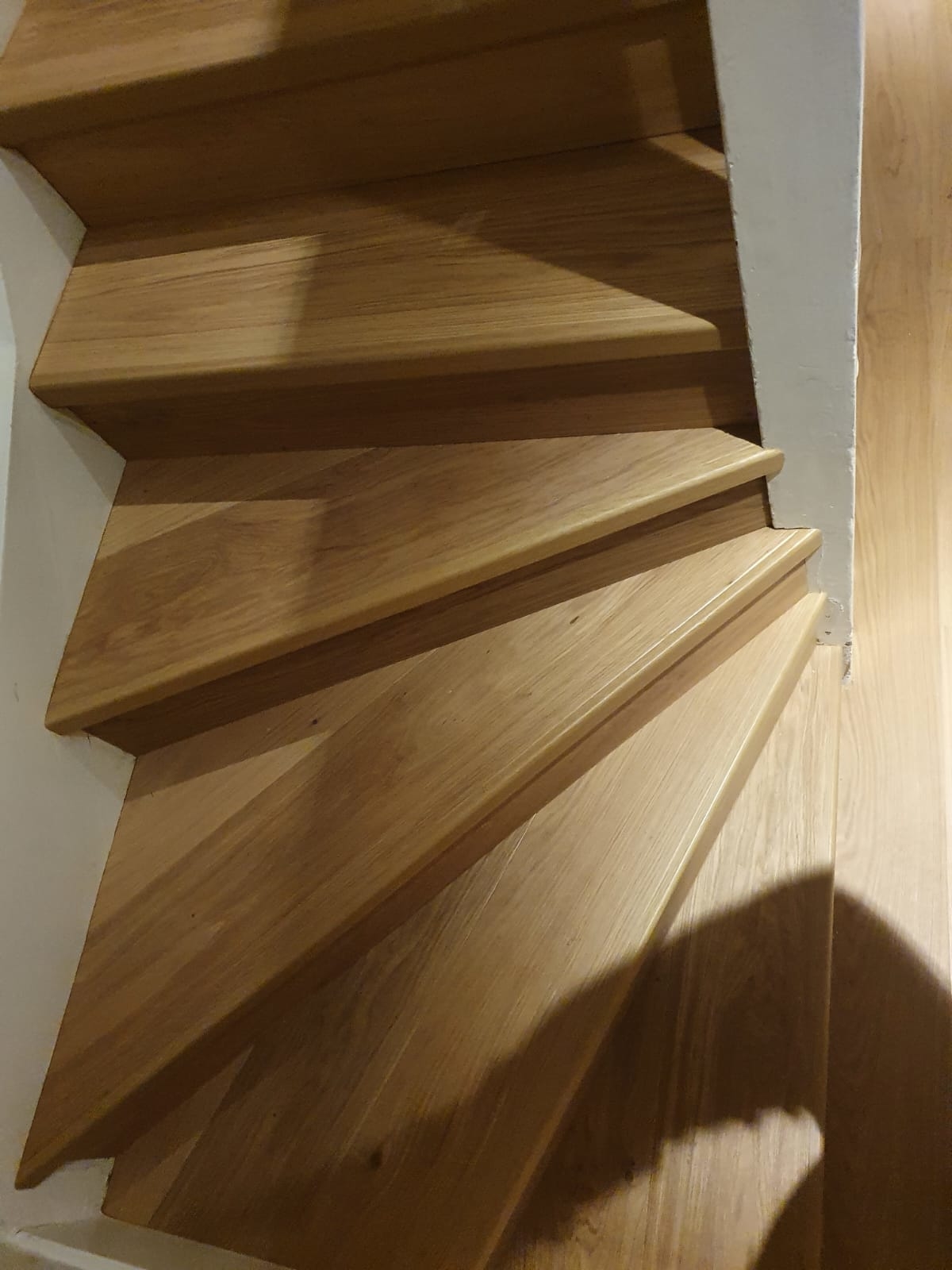
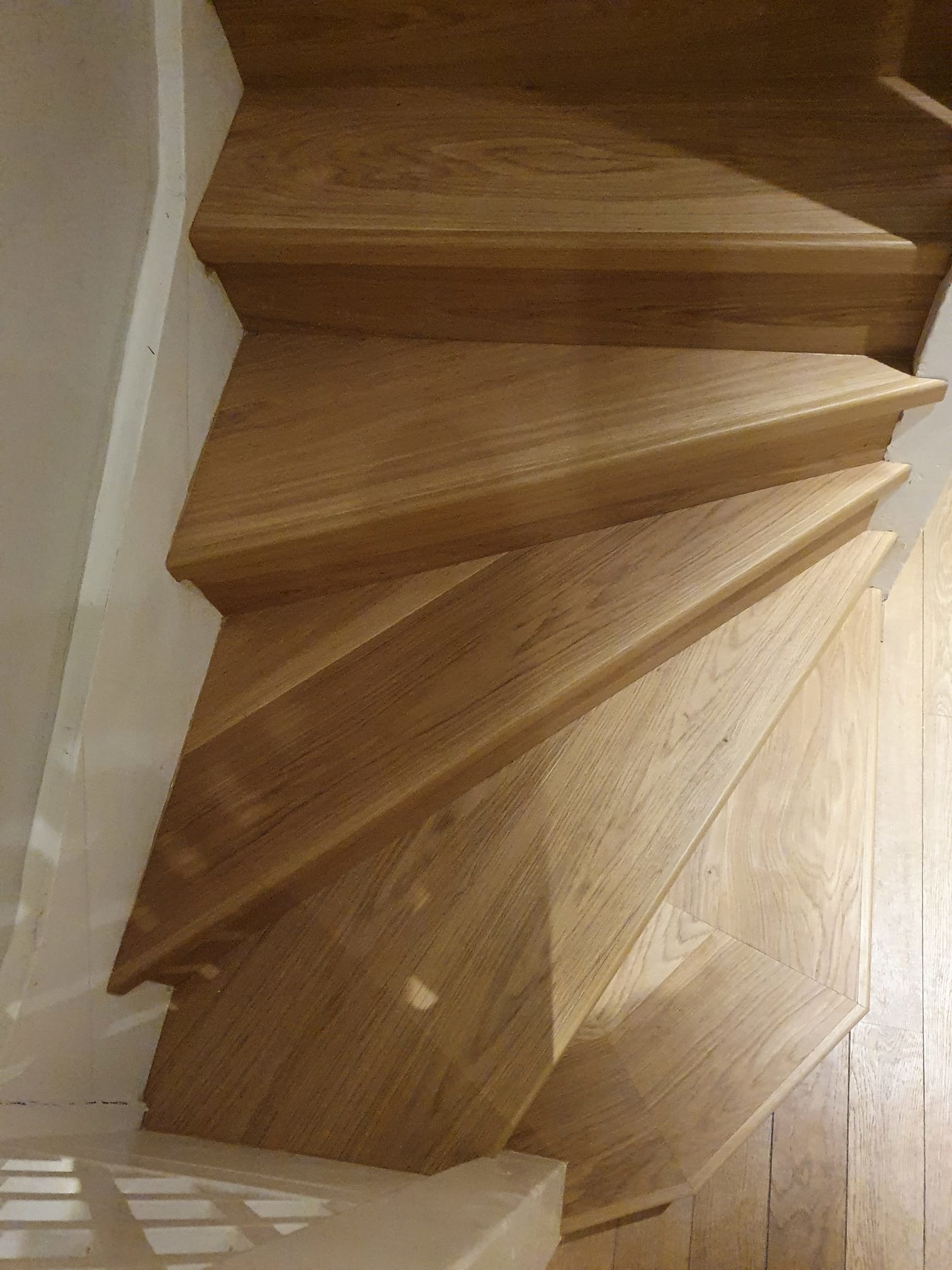
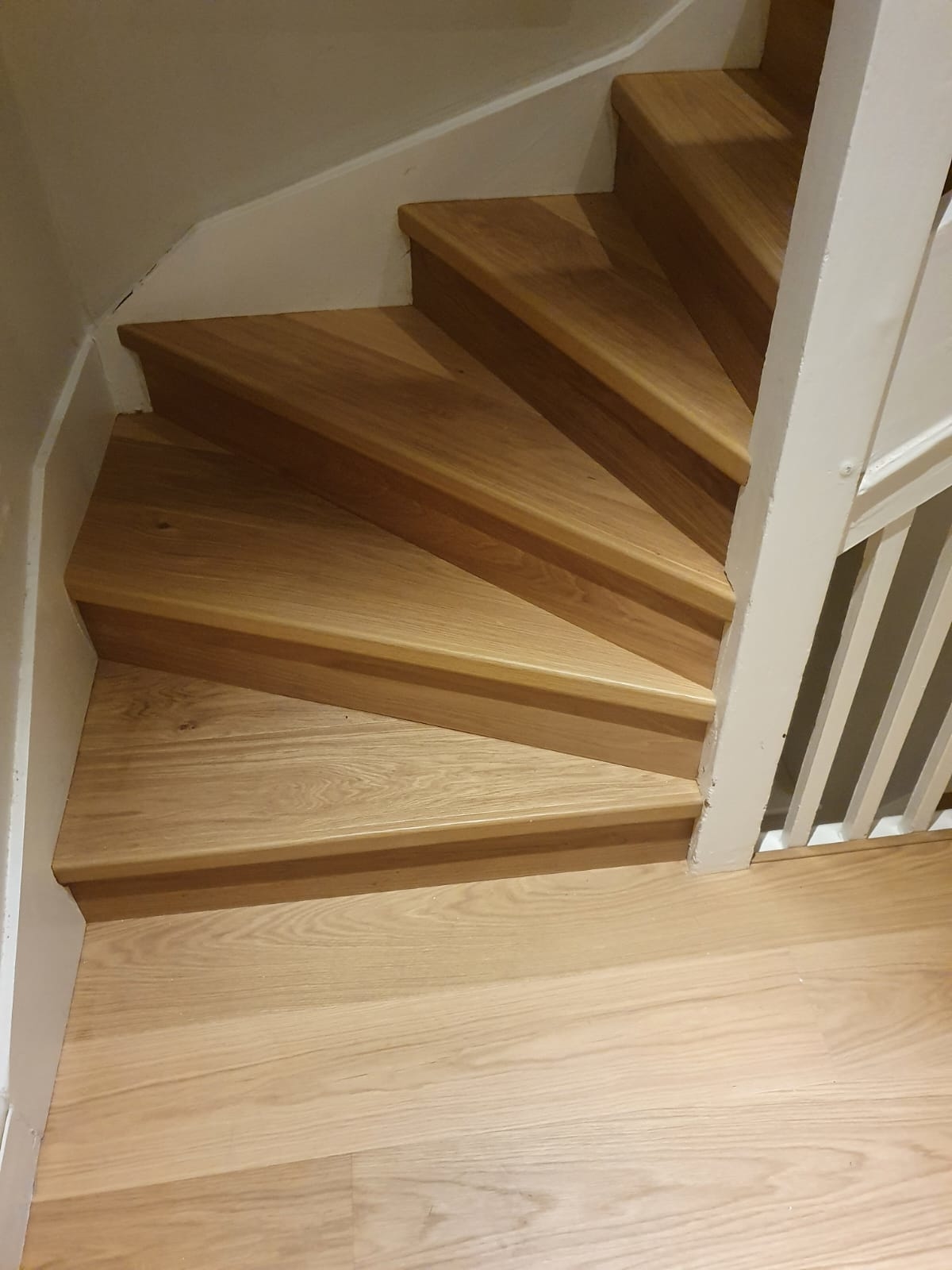
We recently completed engineered floor sanding across a three-bedroom Victorian property in Chelsea. The owners wanted to restore their original wooden floors to their former condition after years of wear and carpet coverage. Our team stripped back decades of finish, sanded the timber, and applied a fresh protective coating.
Work carried out
- Full floor sanding across all ground and first floors
- Dust containment and air filtration throughout the property
- Edge sanding in hallways and corners
- Gap filling and wood repair where necessary
- Application of hard-wearing polyurethane finish
- Final buffing and inspection
About the project
This Chelsea property presented the challenges we typically encounter in Victorian homes. The original pine boards were uneven, with movement between planks that had opened up over 140 years. There were also several sections where carpet had been glued directly to the wood, leaving stubborn adhesive that needed careful removal. The owners had concerns about disruption, given that they were still living in the house during works. We scheduled the job over two weeks, working around their routine and keeping dust containment strict.
Our approach involved starting with coarse grit paper to level the worst unevenness, then progressive sanding with finer grits to achieve a smooth, even surface. We used a dust extraction system connected to our machines, which removed approximately 95 percent of airborne particles at source. This meant the family could occupy the upper floor without significant inconvenience. Once sanding was complete, we identified small gaps between boards and filled these with a matching wood filler, sanding it flush once dry. We finished with two coats of polyurethane, allowing full cure time between applications.
About our Chelsea service
Chelsea properties are predominantly Victorian and Edwardian terraced houses, with the occasional period townhouse. Many owners here are invested in maintaining authentic period features, which means original wooden floors are a priority. The typical floor is softwood, usually pine or fir, laid directly onto timber joists without underlay. These older buildings move naturally as they settle and age, which creates the uneven surfaces and gaps we often address. We also encounter properties that have been subdivided into flats, where sound-proofing compound has been applied to the timber, requiring specialist removal techniques.
Newer residential developments in Chelsea tend to feature engineered boards rather than solid timber. These require different sanding methods since the veneer is thinner. We're familiar with both property types across the area and adjust our equipment and technique accordingly. Chelsea's location near central London means we regularly work around tight schedules, limited access, and restricted delivery times that characterise inner-city refurbishment work. We factor in these practical constraints when planning each job.
Frequently asked questions
How much does floor sanding typically cost?
Floor sanding costs between £25 and £45 per square metre, depending on the floor condition, timber type, and finish applied. A typical Chelsea sitting room of 30 square metres would cost between £750 and £1,350. Properties with heavily soiled floors or existing adhesive residue sit at the higher end of that range. We provide a site visit quote once we've assessed the actual condition of your boards.
How long does the sanding process take?
Most residential jobs take five to ten working days, depending on floor size and condition. A three-bedroom house typically takes around eight days. This includes all sanding, filling, staining if required, and application of protective finish. We schedule works to allow adequate drying time between coats, so the overall timeline can be longer than the actual labour involved. We'll give you a clear schedule before starting.
Is floor sanding a dusty process?
Modern sanding equipment with dust extraction systems removes the majority of fine dust. We use machines fitted with HEPA filtration and contained work methods. Some fine dust is unavoidable, but our containment approach keeps it minimal. For sensitive households or those with respiratory concerns, we recommend staying away from the work area during active sanding. We can seal off rooms and ventilate thoroughly once work is complete.