Monday - Friday 07:30 - 17:30, Saturday 07:30 - 16:00
Hardwood Floor Sanding in Chelsea
Back to Portfolio
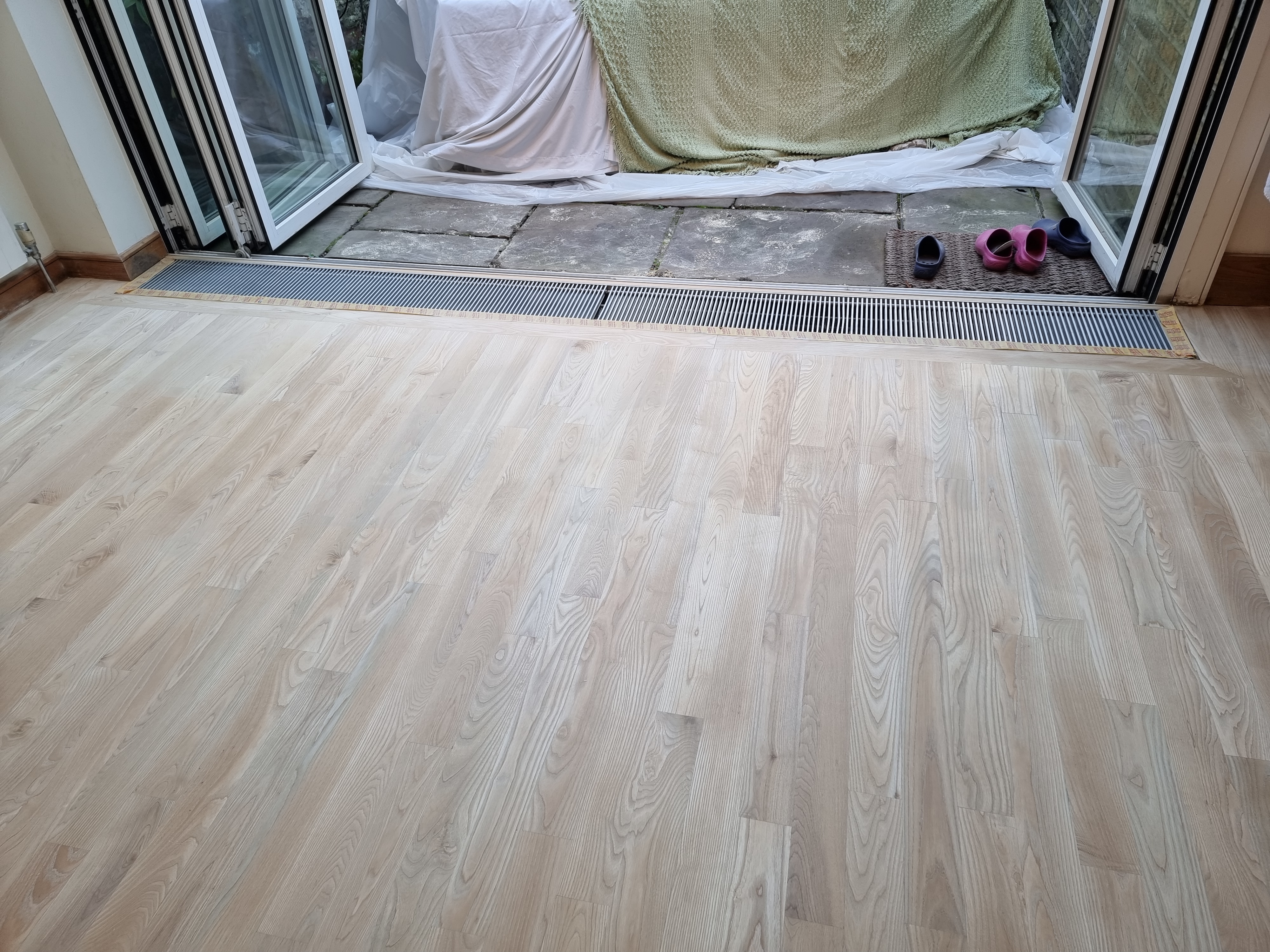
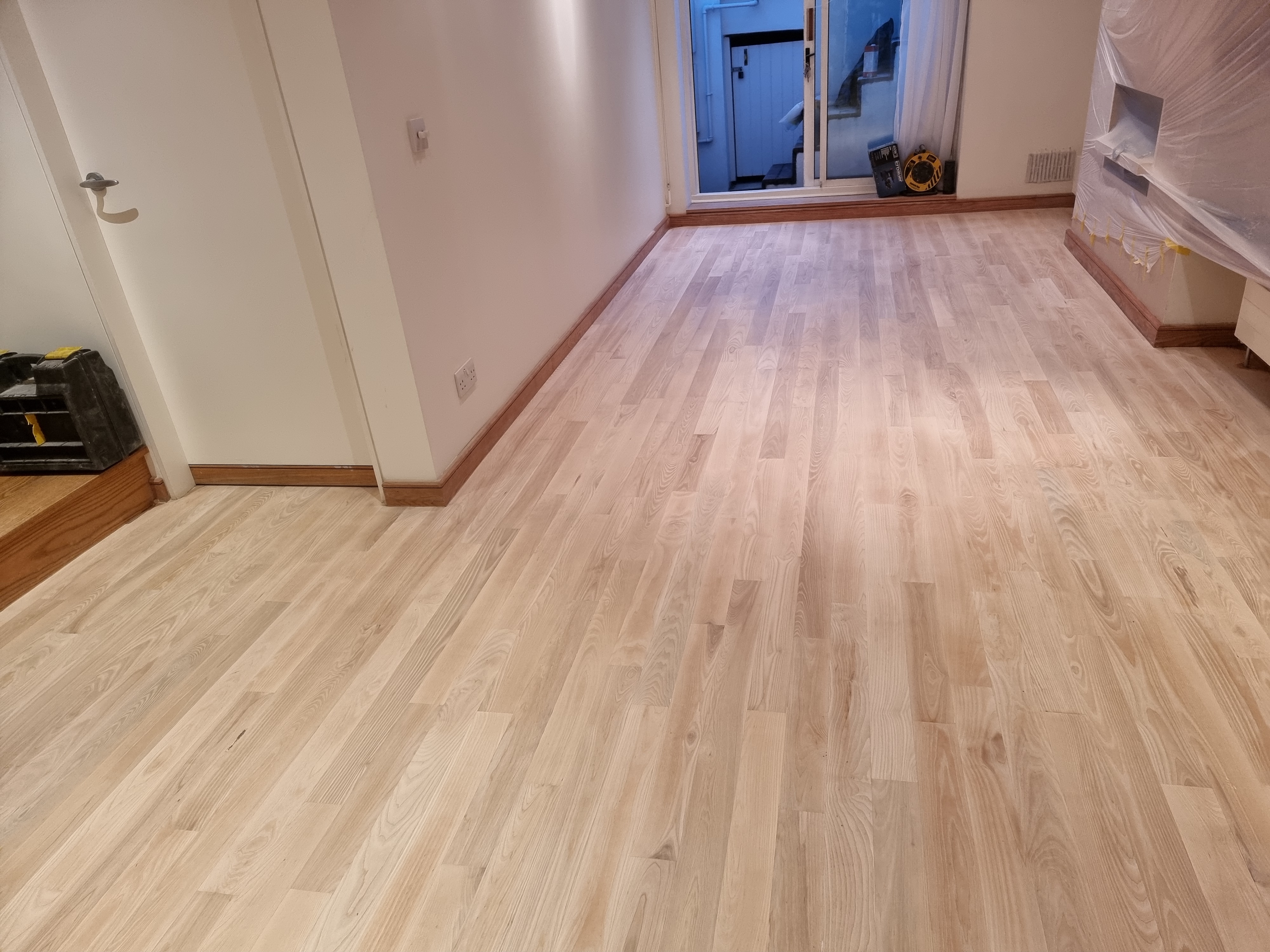
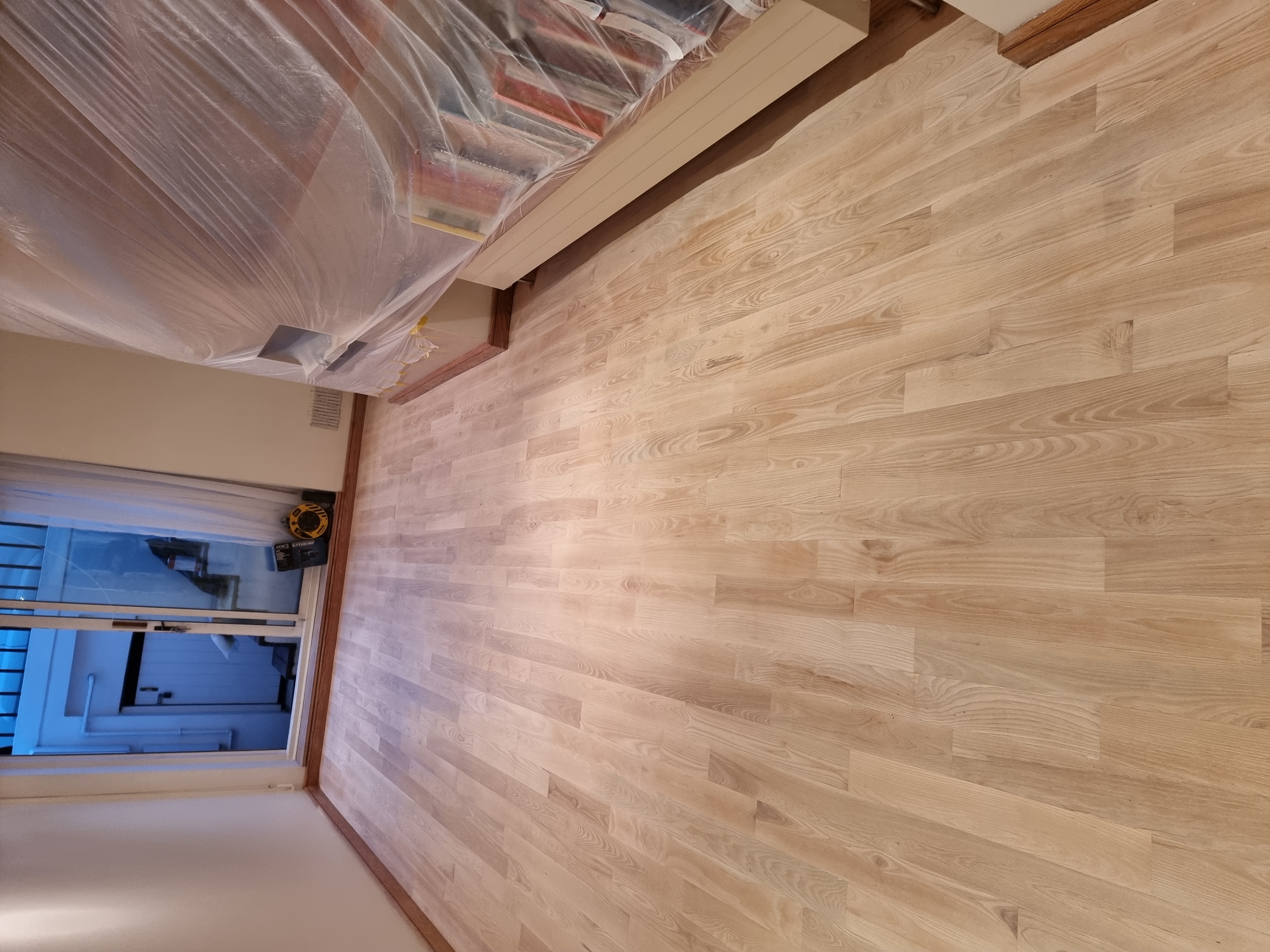
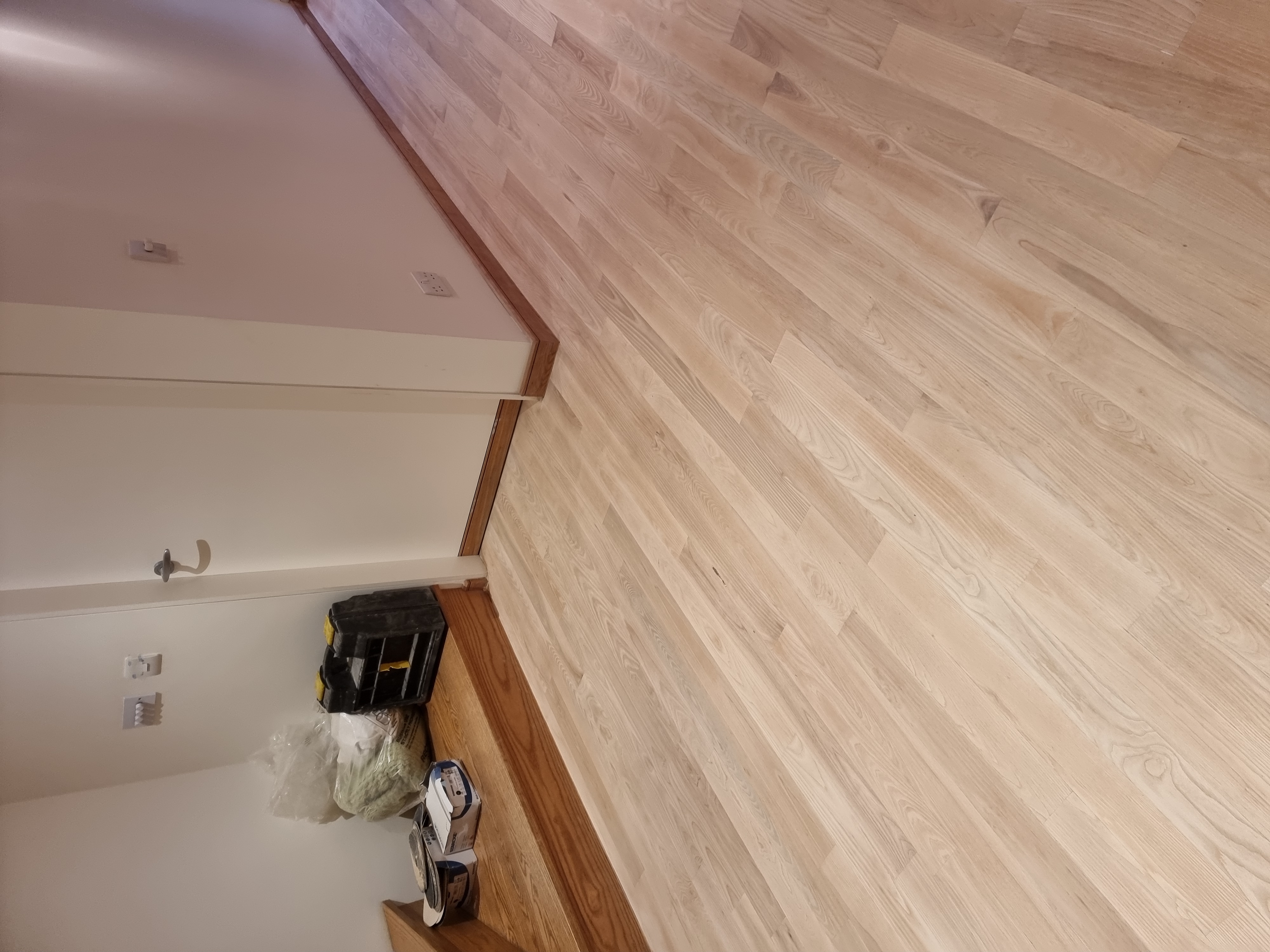
Hardwood Floor Sanding in Chelsea
Hardwood Floor Sanding in Chelsea
A Victorian terrace in Chelsea needed its original oak flooring restored to its former condition. Years of foot traffic and wear had dulled the surface and left visible scratches across the main living areas. Our team carried out a complete sanding and finishing process to bring the wood back to life.
Work carried out
- Sanding with progressive grit sizes (40, 60, 100, 120)
- Dust containment and extraction throughout
- Stain application to match original colour
- Three coat varnish finish with sanding between coats
- Edge sanding and detail work around skirting boards
- Final inspection and minor touch ups
About the project
The Chelsea property had solid oak boards laid over 120 years ago. The existing finish was worn through in high traffic areas, particularly across the hallway and living room. The homeowners wanted to preserve the character of the original floor rather than replace it, which meant careful sanding to remove the old finish without taking too much wood away. We assessed the floor depth and grain before starting work to plan the right approach.
The main challenge was managing dust in a period property with limited ventilation. We set up a dedicated extraction system with sealed doorways to contain dust in the work area only. This meant the rest of the house remained unaffected during the four day process. Once sanding was complete, we matched the new stain to the original wood colour using samples from less worn areas under rugs. Three coats of hard wearing varnish were applied, with careful sanding between each coat to ensure a smooth, durable finish.
About our Chelsea service
Chelsea properties span a wide range of ages and conditions. Victorian and Edwardian terraces dominate the area, most with original or period appropriate timber floors beneath carpets or tired finishes. We also work regularly on newer builds and renovated period properties. The floors we see most often are solid oak and pine, though some properties have parquet or mixed wood layouts. Period properties often present specific challenges, from uneven boards to varying wood types within the same room, but this is where careful craftsmanship makes the real difference.
Working in Chelsea means understanding what these older properties need. Many owners want to restore original character rather than modernise, and sanding is the best way to achieve that. The local area has seen significant renovation activity over the past decade, with many homeowners investing in their original features. We've built relationships with local contractors and architects who refer clients to us regularly. Turnaround times can vary depending on floor condition and the finish specified, but we work to tight schedules to minimise disruption in busy London homes.
Frequently asked questions
How much does hardwood floor sanding cost?
Sanding typically costs between £25 and £45 per square metre, depending on floor condition, wood type, and the finish specification. A 40 square metre room would cost roughly £1,000 to £1,800. Heavily damaged floors or those requiring specialist staining may be at the higher end. We provide a detailed quote after inspection, as the actual price depends on how much material needs removing and what finish work is required.
How long does the sanding process take?
A typical living room of 40 square metres takes between three and five days, including sanding, staining, and varnishing. Smaller rooms can be completed in two days. We usually apply three coats of finish with sanding between coats, so the full project timeline includes drying time. You can normally walk on the floor after 24 hours, though we recommend waiting three to five days before moving furniture back.
Is the sanding process dusty?
Modern sanding equipment with extraction systems captures most dust as it's produced. We use sealed barriers to isolate the work area from the rest of the house, which keeps dust contained. Fine dust particles will still be present, so we recommend removing soft furnishings from the room beforehand. After the job is finished, we carry out thorough cleaning with industrial vacuum equipment. Homes with good ventilation and sealed doors typically see minimal dust in other areas.
Project Gallery